October 14, 2026
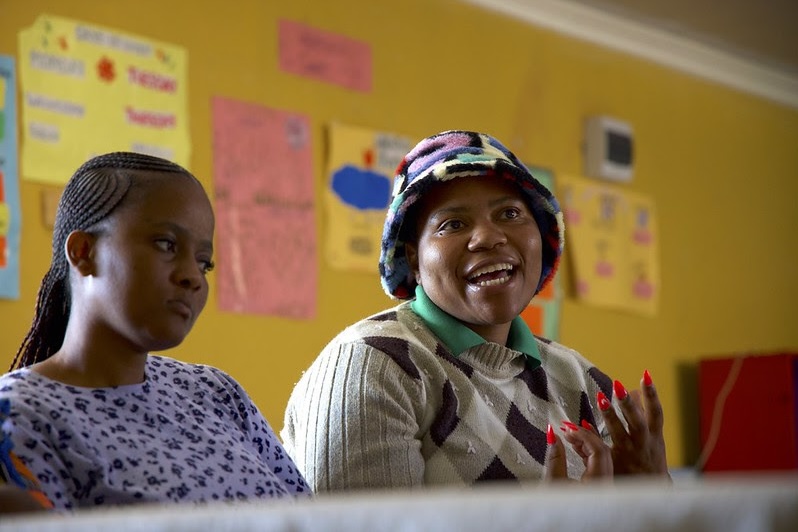
More than a decade ago, during the West African Ebola response, I saw how much depended on listening to and responding to communities. Strong community engagement was critical to bringing the outbreak to an end. At my first UN General Assembly week in New York this year, I found myself in a room with former UNICEF colleagues from that response, and we were still asking the same question: how do we continue to advocate for that two-way communication, fund it, and keep it funded?
Across the wider UNGA week, there was plenty of discussion about where international development goes from here. With cuts to foreign aid, shifting donor commitments, and increasing competition for funding, organizations face difficult questions about their future. That includes what localization means when local and international organizations are competing for limited resources.
These were valuable conversations, but they also raised a broader question about whose knowledge informs the future of development. Communities have their own understanding of the challenges they face, their own priorities, and approaches that are already working. The big challenge is ensuring that this knowledge influences policy, funding, and practice, rather than becoming another consultation exercise.
This is also how we approach much of our work at SIL. We speak directly to people doing the work, understanding what's working, why, and where they've struggled. We look across those experiences to identify lessons that can inform funding and other decisions.
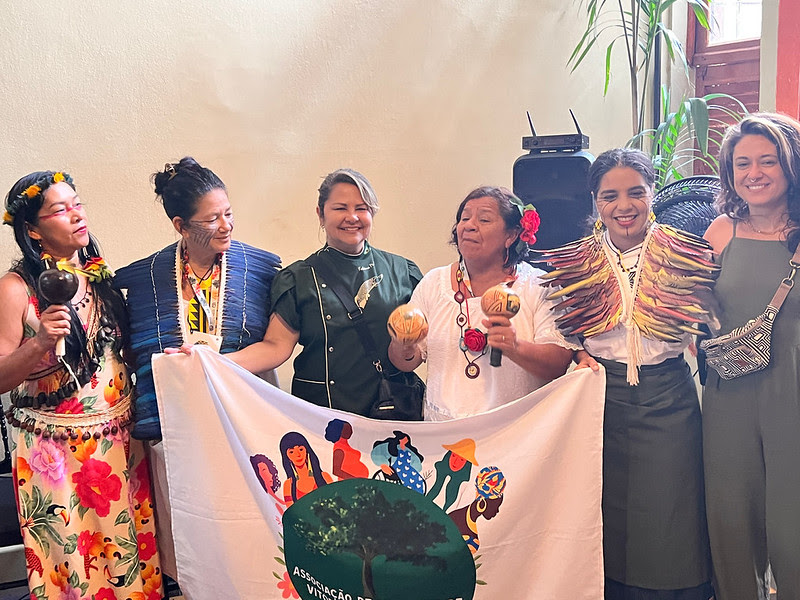
During UNGA week, SIL worked with members of the Youth Mental Wellbeing Co-Lab to bring organizations together. An informal lunch allowed members and partners to connect, while an event on AI and youth mental health brought together practitioners, funders, and technology experts. Among those present was Alex Mathew, a 17-year-old helping develop safer AI for teenagers, who saw our event and wrote to SIL's Ambika Samarthya-Howard to let us know that he’d booked a last-minute flight from San Francisco with the hopes of attending. We asked him to join the panel. At another event, hosted by the Amazon Conservation Team and moderated by Ambika, community voices joined a discussion about protecting the rights of Indigenous people.
We want to hold gatherings that provide opportunities for organizations to connect, share experiences, and explore ways to collaborate. This often requires multiple languages or last-minute flexibility. But it welcomes the people at the heart of our work.
Jamie Bedson
Deputy Director, Solutions Insights Lab
Solutions Insights Lab will be attending mutilple global convenings in the coming months, including COP31 in Turkey in November and the World Economic Forum in Davos in January. Let us know if you'll be either place. We'd love to connect!
“If you're working in another country or in a different community, you have to do the majority of the learning. The sharing comes from the people who are on the ground. The people who are not from there need to listen and learn.” — Avriel Diaz, Walking Palms Global Health
“The listening skill is about being able to critique yourself as well. Listen to what they're actually telling you are the problems, instead of you going there with your symptomatic approach and trying to Band-Aid what you think is the problem.” — Noor Jehan Docrat, Adora Earth
“If you really want to make a difference, you let those you're trying to serve be your teacher. You listen to them and try to determine how you can best add value.” — Kristine Pearson, Lifeline Energy



©2026 Solutions Journalism Network (Solutions Insights Lab) | Terms of use | Privacy policy